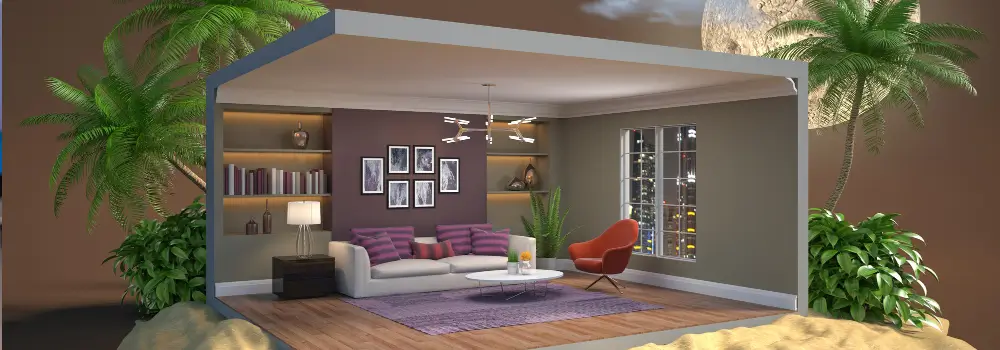
Picture this: a potential guest lands on your vacation rental listing. They’ve got 47 tabs open, each showing a different property in your area. They’ll spend maybe 15 seconds looking at yours before moving on. What makes them stop scrolling?
It’s not your clever property description or your five-star reviews (they haven’t gotten that far yet).
It’s your visuals. Your photos and virtual tour are doing the heavy lifting before you even know someone’s considering your place.
Understanding how to use visual content isn’t optional for anyone managing Airbnb properties, Vrbo listings, or independent vacation rentals. It’s the difference between a booked calendar and empty nights.
Professional Photos Are Your Digital Curb Appeal
Your photo gallery acts like a storefront window. Guests process images faster than text, meaning your listing photos make or break first impressions.
The data backs this up. Properties with professional photography see 20% to 40% more bookings compared to listings with amateur snapshots. That’s not a small bump. That’s the difference between decent occupancy and a packed calendar.
Here’s where it gets interesting: hosts who invest in pro photos can often charge 20% to 26% higher nightly rates. Guests perceive more value when they see sharp, well-lit images. It signals that you care about quality and details.
I’ve seen this play out dozens of times. A host spends $300 on professional photography, raises their rate by $25 per night, and books an extra 15 nights that season. The math works out fast.
But quantity matters, too. Your gallery needs variety. Show every room from multiple angles. Capture the kitchen, bathrooms, outdoor spaces, and any special amenities.
Stage the space before shooting: fresh linens, arranged decor, good lighting. These touches help guests imagine themselves actually staying there. You’re not just documenting rooms. You’re telling a story about waking up to coffee on that sunny balcony or gathering around the fire pit at sunset.
According to researchers, well-staged and properly composed photos increase click-through rates by making listings appear more professional and welcoming. That increased engagement directly translates to more booking inquiries.
Virtual Tours Take It to Another Level
Photos grab attention. Virtual tours close the deal. A 360-degree virtual tour lets guests walk through your property digitally, exploring each space at their own pace. They’re not limited to the angles you chose for static photos. They can look around, check out room layouts, and get a sense of scale and flow.
This matters more than you’d think. Static images can’t always convey how rooms connect or how spacious (or cozy) a place feels. Can guests see the distance from the kitchen to the bedroom? What’s the view from that window? A virtual tour answers these questions without requiring a single message exchange.
The uncertainty factor is huge in vacation rentals. Guests spend hundreds or thousands of dollars on a place they’ve never seen. Virtual tours reduce that anxiety.
When someone can virtually walk through your entire property, they see exactly what they’re getting. This builds confidence, especially for more extended stays or higher-value bookings.
According to consumer data, over half of travelers (52%) now prefer using virtual tours before booking vacation rentals. The pandemic accelerated this trend, but it’s stuck around because it genuinely improves the booking experience. Remote viewing isn’t just convenient; it’s become expected, particularly in competitive markets.
The Performance Numbers Are Hard to Ignore
Let’s talk real results. Vacasa, one of North America’s largest vacation rental management companies, rolled out Matterport 3D tours across most of its portfolio.
Their booking conversions jumped nearly 12%. Properties with virtual tours kept potential guests engaged three times longer on listing pages, which led directly to more bookings.
Engagement time matters. The longer someone explores your listing, the more invested they become in booking it. Vacasa credits its “dollhouse” view and floor plan features with giving guests complete confidence in what they’re reserving. You’re less likely to keep shopping around when you can see a property from every angle and understand the entire layout.
Airbnb has been slower in integrating a virtual tours platform-wide, but early adopters are seeing benefits. AirDNA’s analytics show that Airbnb listings with virtual walkthroughs often win bookings over similarly priced competitors without them. The tour becomes the tiebreaker, especially for high-end properties or extended stays where guests are naturally more cautious about commitment.
Some smaller-scale studies show even bigger gains. Wyse Properties found that listings featuring professional video tours saw roughly 40% more bookings than similar properties without tours. Your results will vary based on your market, competition, and property type, but the pattern holds: better visuals mean more bookings.
Choosing Your Virtual Tour Technology
You’ve got two main paths here: hire a pro or DIY it. Both work, depending on your budget and comfort level with technology.
Professional platforms like Matterport are the gold standard. A pro shooter captures everything with specialized cameras, and you get a polished 3D tour with dollhouse views and floor plans.
. A typical vacation rental costs about $200 to $500 per property: iGuide offers similar quality with detailed measurements (helpful for showing actual room dimensions). 3DVista gives you more creative control with custom hotspots and multimedia integration.
The DIY route costs less upfront but requires more time. A Ricoh Theta 360 camera costs around $300. You shoot the panoramas yourself, then use software like CloudPano or Kuula to stitch them together and create navigable tours.
These platforms charge monthly fees (usually $10 to $50) for hosting and features. The quality won’t match Matterport’s cinematic polish, but it’s more than good enough for many properties.
I usually tell hosts to consider their property value and booking price. If you’re running a luxury villa that rents for $500+ per night, invest in Matterport. If you’ve got a modest condo that rents for $150 per night, the DIY approach probably makes more sense. The key is having something rather than nothing.
Getting Your Tour Where Guests Can See It
Creating the tour is only half the battle. You need to get it in front of potential guests. Most professional services handle this part automatically, but it’s worth understanding your options.
For Airbnb and Vrbo, you can’t always embed tours directly into the listing (platform limitations), but you can add them to your photo gallery as linked images or include the tour URL in your description.
Many hosts create a simple landing page or use their tour provider’s hosted link.
If you’ve got a direct booking website (and you should), embedding a virtual tour is straightforward. Most tour platforms provide embed codes that drop right into your site’s property pages. This is where tours really shine because you control the entire experience.
Remember marketing channels. Share your virtual tour on your property’s Instagram or Facebook page or in email campaigns to past guests. This content actually engages people instead of just being another promotional post.
What This Actually Costs You (And What You Get Back)
Let’s break down the real investment. Professional photography for a vacation rental typically runs $300 to $600. An experienced virtual tour adds another $200 to $500.
A complete visual package costs $500 to $800. If you DIY, you might spend $300 on a 360-degree camera plus $10 to $50 monthly for hosting software.
Now let’s talk about what you get back. Say your property typically books 100 nights per year at $200 per night. A conservative 10% booking increase from better visuals means 10 extra nights. That’s $2,000 in additional revenue. Your entire investment paid off, and you still have 11 months left in the year.
But the ROI goes beyond immediate bookings. Professional visuals often pay for themselves within one to four weeks through increased bookings and nightly rates. Hosts told me that a single additional booking covered their entire photography and tour cost.
There’s also the time savings angle. Virtual tours cut down on repetitive guest questions about layout and amenities. You’re not constantly explaining where the washer is or how big the bedrooms are. That time adds up over dozens of inquiries. For property managers juggling multiple listings, this efficiency gain is real money.
The long-term benefits compound. Better visuals improve your search ranking on booking platforms. Airbnb’s algorithm favors listings with high engagement and longer view times (which is precisely what tours provide). Higher ranking means more visibility, which brings sustained booking increases over time.
Then there’s the guest satisfaction factor. When your visuals accurately represent the property, guests arrive knowing what to expect. Fewer surprises mean better reviews, which in turn mean higher ranking and more bookings. It’s a positive cycle that starts with good visual content.
Making Your Visuals Actually Work
Having a virtual tour isn’t enough if it’s poorly executed. Quality and presentation matter just as much as having the content at all.
Start with staging and lighting.
Treat your shoot day like the property is about to host its most important guests. Declutter every single room. Remove personal items, clean obsessively, and stage intentionally. Fresh linens, fluffed pillows, maybe some flowers on the kitchen table. Virtual tours capture everything in 360 degrees, so there’s nowhere to hide clutter.
Natural light is your friend. Schedule shoots during the daytime with curtains open. Turn off harsh overhead lights that create glare in photos. If you’re hiring a photographer, they’ll handle this, but DIY hosts must pay attention to lighting conditions.
For the tour itself, think about the guest journey. Start at the entrance and create a logical flow through the space. Add clear navigation labels (“Main Bedroom,” “Roof Deck”) instead of generic icons. Position your starting viewpoint in each room to first show the most flattering angle.
Some platforms let you add information tags highlighting special features, but use them sparingly. You want to inform, not clutter the experience.
Keep your photo gallery current. Update images whenever you make significant changes to the property. New furniture? Renovation? Added a hot tub?
Reshoot. Nothing frustrates guests more than arriving to find the place doesn’t match the photos they studied. It’s also smart to test different cover photos. Many hosts find outdoor shots or bright living spaces pull more clicks than bedroom photos.
Make sure everything works on mobile. Most travelers browse on phones. Your virtual tour should load quickly on cellular data and navigate smoothly with touch gestures. Test it yourself on your phone before going live. If it’s clunky or slow, guests won’t bother.
Use photos and tours together strategically. They’re not competing. Photos create the initial attraction in search results, while the virtual tour provides the deeper dive that converts browsers into bookers. Mention your tour in your listing description.
Something like “Check out the full 360-degree tour in the photos” guides guests to it without being pushy.
Finally, highlight what makes your property special. Stunning view? Make it the finale of your tour or your hero photo. Family-friendly features?
Show that the enclosed backyard or playroom is prominently shown. Remote work setup? Display the workspace clearly with good lighting. You’re not just showing a property. You’re selling a specific experience to your ideal guest.
Where This Industry Is Headed
Virtual tours have shifted from a nice bonus to an expected feature in competitive vacation rental markets. The technology has become cheaper and easier to use, which means more hosts are adopting it. That raises the bar for everyone.
The most significant players already recognize this. When a company like Vacasa sees double-digit booking increases from adding 3D tours across its portfolio, that’s not anecdotal. That’s proof of concept at scale. Individual hosts who’ve upgraded their visuals consistently report filling their calendars faster and at better rates.
Early adopters are now banking wins while many competitors still use smartphone snapshots. That advantage won’t last forever, but it’s real for those who move quickly. As Scene3D’s industry research shows, properties with immersive virtual experiences are building guest trust faster and converting at higher rates.
We’re probably headed toward even more integration: virtual reality previews, augmented reality features, and maybe AI-powered tour customization based on guest preferences.
But you don’t need to wait for tomorrow’s tech. The tools available right now are proven to work.
For any host or property manager looking to increase bookings, whether you’re on Airbnb, Vrbo, or running your own direct booking site, investing in quality visuals is one of the smartest moves you can make.
It’s about creating that instant connection through a screen. When guests feel confident about what they’re booking, they click that reserve button. More confidence equals more conversions, which equals a healthier rental business.
The vacation rental game has always been about trust. Guests need to trust that your property matches their expectations. Professional photos and virtual tours build that trust faster and more effectively than any amount of description text ever could. In an industry where every empty night is lost revenue, you can’t recover, and visual content that converts browsers into guests isn’t just helpful. It’s how you stay competitive.